
Introduction
Many people enjoy eating, but some must avoid certain foods due to food allergies. The number of people reporting food allergy symptoms has increased in recent years. While some think their stomachs cannot tolerate certain foods or drinks, research shows that only a small number of people actually suffer from true food allergies.
Understanding the causes of food allergies, recognizing the signs, and knowing the appropriate treatment can save lives.
Food allergies are a growing public health concern worldwide. From mild rashes to severe anaphylaxis, allergic reactions can vary greatly depending on the immune system’s sensitivity and the type of food allergen involved.
Why Do Some People Have Food Allergies?

EpiPen and allergy medicine placed beside food for preparedness
A report published in a U.S. medical journal explains different opinions about why food allergies develop. Most experts agree that the immune system is the primary cause. Food allergens are proteins present in certain foods. The immune system mistakenly believes these proteins are harmful. When the protein enters the body, the immune system creates an antibody called Immunoglobulin E (IgE).
This antibody targets the protein, and when the food is eaten again, IgE triggers chemicals like histamine. Histamine normally plays a helpful role in immunity, but in this case, it leads to visible food allergy symptoms such as rashes, swelling, or breathing problems. This explains why eating food once may not cause an allergy, but eating it again can trigger a reaction.
For a deeper look at how the human body reacts to natural and emotional triggers, read our post The Laws of Human Nature.
Food Intolerance vs Allergy: Why Can’t the Stomach Digest Some Foods?
Nutrition label showing highlighted allergens like wheat, soy, and nuts
Some people confuse food intolerance with allergy. Intolerance relates to the digestive system, not the immune system. No antibodies are produced. Instead, intolerance happens when the stomach lacks certain enzymes or cannot process specific chemicals in foods. For example, lactose intolerance occurs when the body lacks the enzyme needed to digest lactose.
Symptoms of intolerance may appear after the first time a food is eaten, unlike food allergies, which often show up after repeated exposure. While intolerances may cause discomfort, food allergens can cause life-threatening reactions.
It’s important to understand the difference between food allergy and food intolerance, as the two require very different management and treatment approaches.
Food Allergy Symptoms You Should Know
Parent discussing child’s food allergy symptoms with the doctor
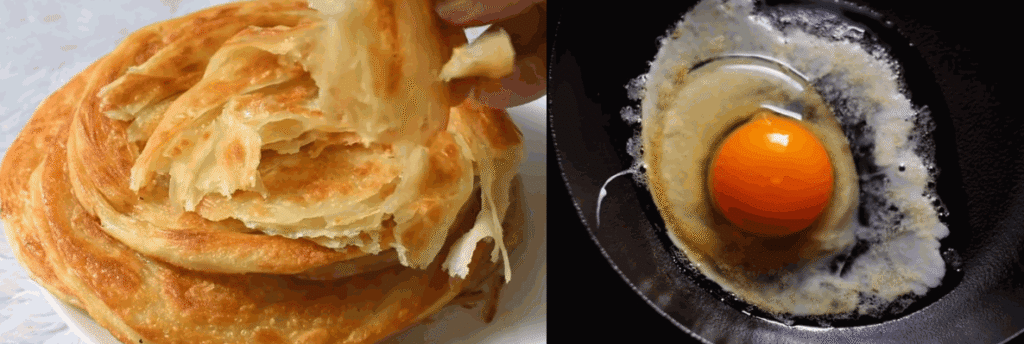
The following are common food allergy symptoms:
- Swelling of the throat, eyes, or tongue
- Acne or rashes on the body
- Itching
- Nausea
- Vomiting
- Diarrhea
Severe cases may cause low blood pressure, dizziness, fainting, or even cardiac arrest. These symptoms can become deadly quickly.
For ways to communicate symptoms effectively and describe reactions in clear English, check out Speak English Fluently: Practical Tips to Improve Confidence & Skills.
Common Food Allergens That Trigger Reactions
School cafeteria tray labeled with allergy-safe food options
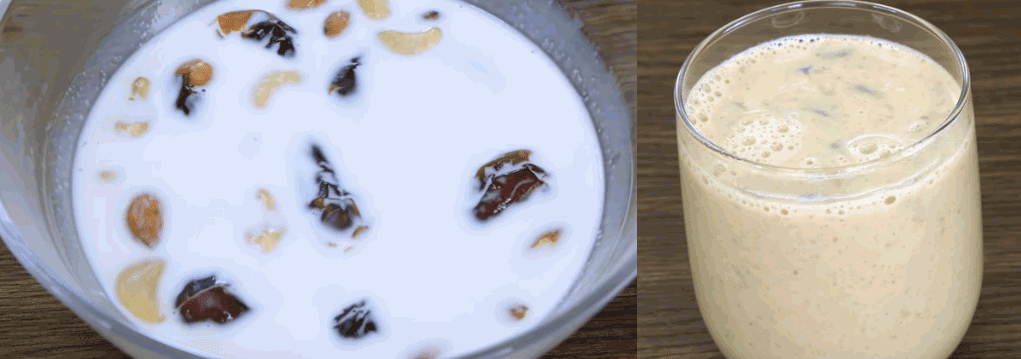
Although any food can trigger allergies, the most common food allergens include:
- Milk
- Eggs
- Fish
- Shellfish (prawns, shrimps, crabs)
- Peanuts
- Soybeans
- Tree nuts (almonds, walnuts, pistachios, cashews)
- Wheat
Food allergies affect all ages, from toddlers to adults. If parents are allergic to certain foods, children are more likely to develop the same sensitivities. Interestingly, many children outgrow allergies as they get older.
Food intolerance, however, is usually less severe but still uncomfortable. Typical symptoms include:
- Stomach pain
- Bloating
- Flatulence
- Acne
- Fatigue
- Diarrhea
- Headache
- Agitation
Difficult-to-digest foods often include milk, wheat, gluten, alcohol, and yeast.
The most common food allergens are responsible for nearly 90% of allergic reactions worldwide, making awareness and early testing essential for prevention.
Treatment and Precautions for Food Allergies
Illustration of common food allergy symptoms like hives and swelling
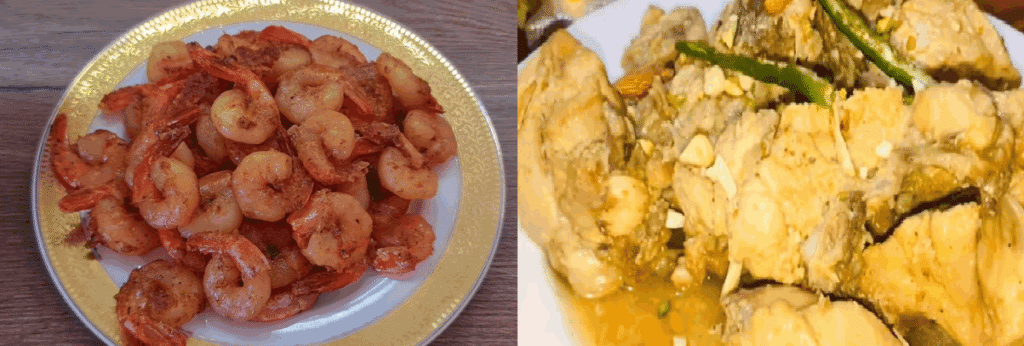
If you suspect a food allergy, consult a healthcare professional. Self-diagnosing or removing foods without medical advice may deprive your body of essential nutrients.
For severe food allergy treatment, complete avoidance of the allergen is the safest option. Some people with mild allergies may tolerate small amounts, but reactions vary widely. In cases of severe allergies, even tiny amounts of certain foods can cause life-threatening reactions, making strict avoidance essential.
Allergy specialists may also recommend immunotherapy or desensitization. For those curious about how science continues to revolutionize healthcare, visit 6G Technology: The Dawn of Extraordinary Speed and Revolutionary Wireless Connectivity. Technology and medicine are advancing together faster than ever.
Healthy Food Choices to Avoid Food Allergies
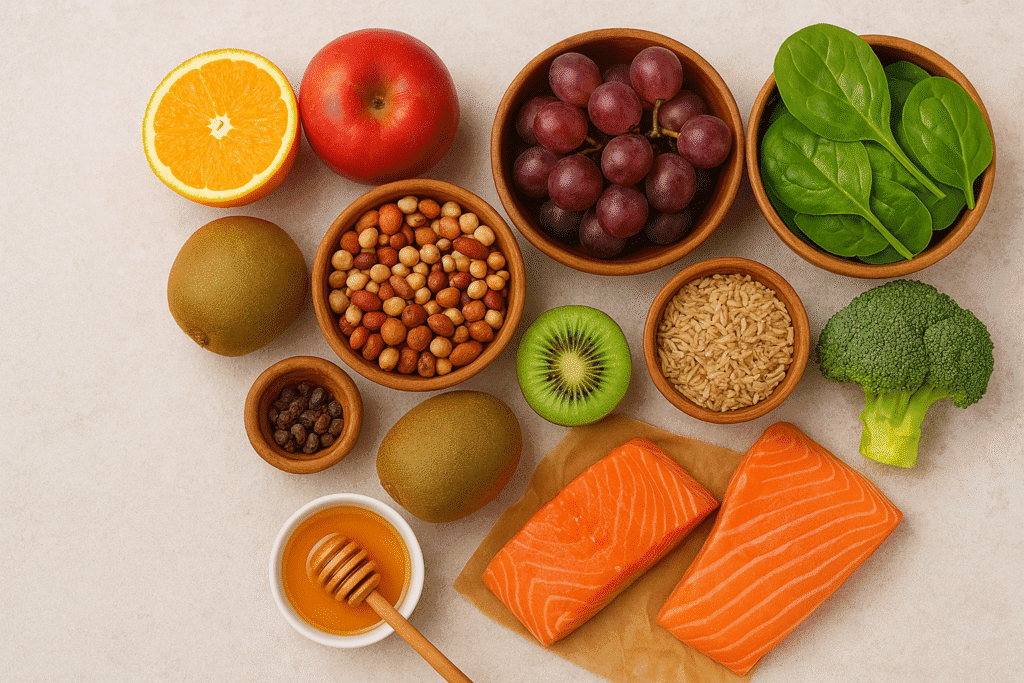
Fruits are good for health.
Fresh fruits and a balanced diet can help maintain overall health for those managing food allergies. While diet alone cannot cure allergies, eating nutrient-rich foods strengthens the immune system and supports long-term wellness.
Fresh fruits, displayed as part of a healthy diet for allergy prevention

Share this guide with friends and family, as awareness can help prevent accidental exposure and promote healthier eating habits.
Conclusion
In conclusion, food allergies can affect anyone, from children to adults. Recognizing the causes of food allergies, identifying common food allergy symptoms, and following proper food allergy treatment plans can make the condition manageable.
Whether it’s avoiding common food allergens or seeking medical advice, taking the right precautions ensures a healthier and safer life.
Explore more interesting reads in our Random category.
Frequently Asked Questions (FAQs)
1. What is a food allergy?
A food allergy is an immune system reaction that occurs when the body mistakenly identifies a food protein as harmful. The immune system releases chemicals like histamine, causing symptoms that can range from mild to life-threatening.
2. How is a food allergy different from food intolerance?
Food allergies involve the immune system and can be severe or even fatal. Food intolerance affects the digestive system and usually causes discomfort, such as bloating or stomach pain, but does not involve antibodies or life-threatening reactions.
3. What are the most common food allergy symptoms?
Common food allergy symptoms include:
- Skin rashes or hives
- Swelling of the lips, tongue, throat, or eyes
- Itching
- Nausea, vomiting, or diarrhea
- Breathing difficulties
Severe reactions may lead to dizziness, low blood pressure, or loss of consciousness.
4. What foods most commonly cause allergic reactions?
The most common food allergens include:
- Milk
- Eggs
- Peanuts
- Tree nuts
- Fish
- Shellfish
- Soy
- Wheat
These foods are responsible for the majority of allergic reactions worldwide.
5. Can food allergies develop later in life?
Yes. While many food allergies begin in childhood, adults can also develop allergies even if they previously tolerated the food without problems.
6. Can children outgrow food allergies?
Many children outgrow allergies to foods like milk, eggs, or wheat as they grow older. However, allergies to peanuts, tree nuts, fish, and shellfish are more likely to persist into adulthood.
7. How are food allergies diagnosed?
Food allergies are diagnosed by healthcare professionals using medical history, skin prick tests, blood tests, and, in some cases, supervised food challenges. Self-diagnosis is not recommended.
8. What should I do if I suspect a food allergy?
If you suspect a food allergy, consult a doctor or allergy specialist. Avoiding foods without professional guidance may lead to nutritional deficiencies or misdiagnosis.
9. What is the best treatment for food allergies?
The most effective treatment is complete avoidance of the allergen. In severe cases, doctors may prescribe emergency medication such as epinephrine. Some patients may also benefit from medical desensitization under supervision.
10. Can food allergies be cured?
Currently, there is no permanent cure for food allergies. However, proper management, avoidance strategies, and medical guidance allow most people to live safe and healthy lives.
11. Are food allergies dangerous?
Yes. Severe food allergies can cause anaphylaxis, a life-threatening reaction that requires immediate medical attention. Early recognition and preparedness are crucial.
12. Can diet help reduce food allergy symptoms?
A balanced, nutrient-rich diet supports overall immune health but does not cure food allergies. Careful food selection and label reading are essential for prevention.