Introduction
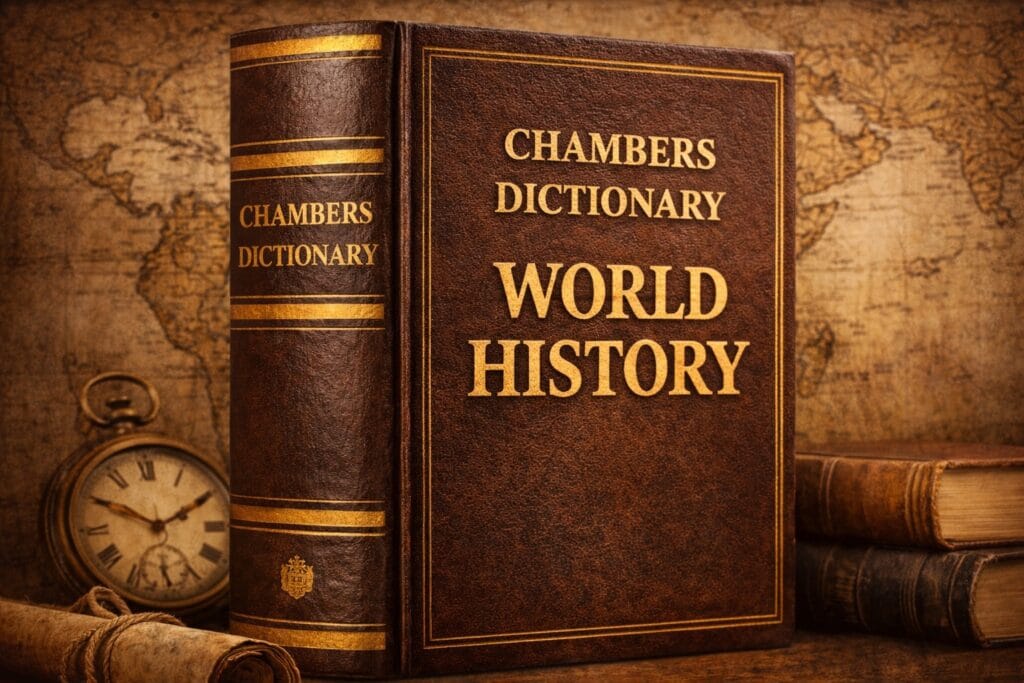
The Chambers Dictionary of World History is one of the most trusted reference books for understanding the long and complex story of humanity. Instead of presenting history as a collection of scattered facts, it explains events, people, and movements in a clear and connected manner. For students, teachers, competitive exam aspirants, and general readers, this dictionary serves as a reliable companion, making world history more understandable and meaningful.
At Study2Inspire, history is viewed not as a burden to memorize but as a source of insight and inspiration. In that spirit, this post explores what the Chambers Dictionary of World History is, what it contains, and why it remains relevant in today’s world.
What Is the Chambers Dictionary of World History
The Chambers Dictionary of World History is a comprehensive reference book that covers major historical events from ancient civilizations to the modern age. It is arranged alphabetically, allowing readers to quickly locate information about empires, wars, revolutions, historical personalities, treaties, ideologies, and social movements.
Unlike detailed academic textbooks, this dictionary focuses on clarity and relevance. Each entry explains not only what happened but also why it was important in shaping later developments. This approach helps readers develop a broad understanding of global history without feeling overwhelmed.
Scope and Coverage of the Book Chambers Dictionary of World History
One of the strongest features of the Chambers Dictionary of World History is its wide scope. It does not limit itself to a single region or period but offers balanced coverage of world history.
The book includes ancient civilizations such as Mesopotamia, Egypt, the Indus Valley, China, Greece, and Rome. It traces the rise and fall of empires, the development of political systems, and the evolution of human societies. Religious traditions, philosophical ideas, and cultural movements are explained as historical forces that influenced laws, education, and social life.
Moving into the modern era, the dictionary covers the Renaissance, the Age of Exploration, major revolutions, imperialism, world wars, decolonization, and contemporary global developments. This wide coverage makes it a truly global history reference.
Writing Style and Accessibility
The language of the Chambers Dictionary of World History is simple, direct, and reader-friendly. Complex ideas are explained in plain terms, making the book suitable for learners at different levels. Students preparing for exams benefit from its concise explanations, while general readers appreciate its clarity and logical structure.
Because the entries are short and focused, readers can quickly revise key topics or explore unfamiliar historical terms without needing to read long chapters. This makes the dictionary especially useful for quick reference and revision.
Importance for Students and Competitive Exams

For students of history, political science, and international relations, the Chambers Dictionary of World History is an invaluable resource. It helps build strong foundational knowledge, which is essential for understanding more advanced historical analysis.
Competitive exam aspirants also find this book helpful because it covers important events, movements, and personalities in a precise and exam-oriented manner. It supports both factual learning and conceptual clarity, which are crucial for objective as well as descriptive questions.
Why the Book Still Matters Today
In a rapidly changing world, understanding history is more important than ever. Modern issues such as global conflicts, political ideologies, nationalism, and international cooperation all have deep historical roots. The Chambers Dictionary of World History helps readers trace these roots and understand how past decisions continue to influence the present.
The book encourages readers to see history as a continuous human story shaped by choices, ideas, and struggles. This perspective promotes critical thinking and a deeper awareness of the world around us.
Important Historical Personalities Covered in the Book
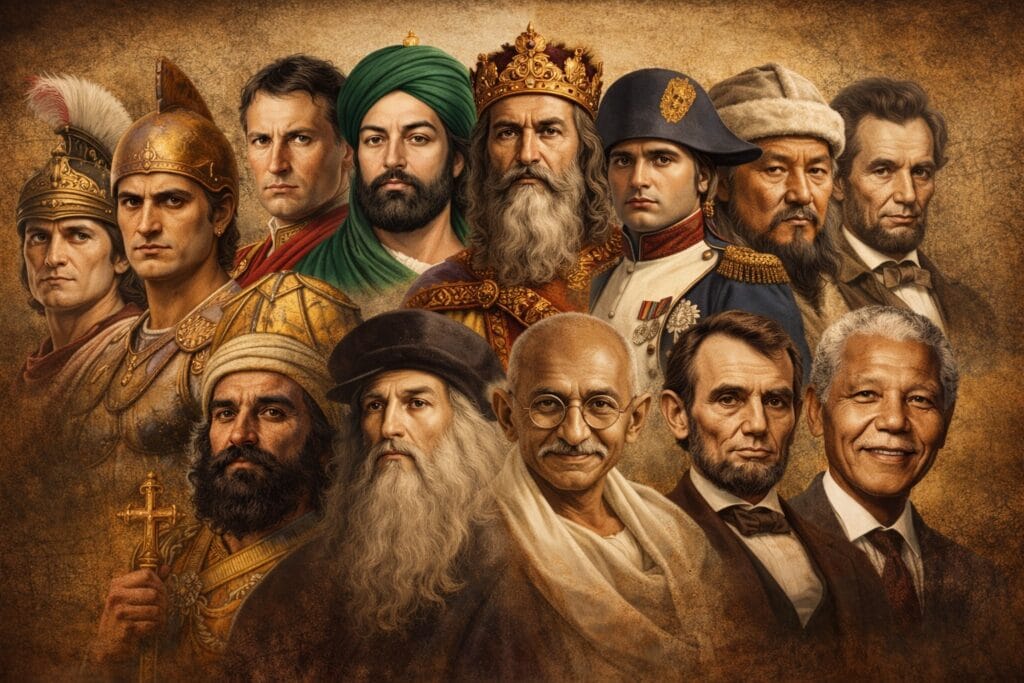
One of the major strengths of the Chambers Dictionary of World History is its coverage of influential historical personalities from different regions and eras. These individuals shaped political systems, religious thought, scientific progress, and social change, leaving a lasting impact on world history.
Alexander the Great
Alexander the Great is presented as one of the most remarkable military leaders of the ancient world. Through his conquests, he created a vast empire that stretched from Greece to India. His campaigns helped spread Greek culture, language, and ideas across Asia and the Middle East, giving rise to what is known as the Hellenistic world. Chambers highlights his role in cultural exchange as much as his military achievements.
Julius Caesar
Julius Caesar played a crucial role in the transformation of the Roman Republic into the Roman Empire. As a military commander, political leader, and reformer, he expanded Roman territory and challenged traditional power structures. His assassination marked a turning point in Roman history, leading to the rise of imperial rule.
Ashoka the Great
Ashoka, the Mauryan emperor of India, is remembered not only for his vast empire but also for his moral transformation after the Kalinga War. Chambers emphasizes his promotion of nonviolence, justice, and religious tolerance. His reign demonstrates how political power can be guided by ethical principles.
Charlemagne
Charlemagne is shown as a key figure in medieval European history. As ruler of the Frankish Empire, he promoted learning, administration, and political unity in Western Europe. His reign laid the foundations for later European states and institutions.
Genghis Khan
Genghis Khan is portrayed as both a conqueror and a unifier. He established the largest contiguous land empire in history and introduced systems of administration, communication, and law that connected vast regions of Asia and Europe. Chambers presents a balanced view of his legacy, acknowledging both destruction and integration.
Leonardo da Vinci
Leonardo da Vinci represents the spirit of the Renaissance. As an artist, scientist, and thinker, he symbolized the revival of human curiosity and creativity. Chambers includes him as an example of how individual genius can influence art, science, and culture simultaneously.
Napoleon Bonaparte
Napoleon Bonaparte is discussed as a military leader and reformer who reshaped Europe. His legal and administrative reforms, particularly the Napoleonic Code, influenced modern legal systems. At the same time, his ambitions led to widespread conflict and political change.
Mahatma Gandhi
Mahatma Gandhi is highlighted as a leader who transformed political resistance through nonviolence. His role in India’s freedom struggle inspired civil rights movements across the world. Chambers emphasizes his moral authority and lasting influence on global politics.
Abraham Lincoln
Abraham Lincoln is presented as a symbol of leadership during a crisis. His role in preserving the United States and abolishing slavery placed him among the most influential figures in modern political history. Chambers explains his importance in shaping democratic values and human rights.
Nelson Mandela
Nelson Mandela represents the struggle against racial injustice in the modern world. His leadership in ending apartheid in South Africa and his commitment to reconciliation highlight the power of forgiveness and democratic ideals. Chambers includes him as a modern example of ethical leadership.
How to Use Chambers Dictionary of World History Effectively
To gain the most benefit from this book, readers should use it as a companion rather than a standalone textbook. It works best when used in conjunction with regular history reading, classroom study, or current affairs analysis. By regularly consulting the dictionary, readers can enhance their understanding of key terms and events and develop a clearer historical perspective.
Conclusion
The Chambers Dictionary of World History is more than a reference book. It is a guide to understanding humanity’s shared past in a clear, balanced, and meaningful way. Its global coverage, simple language, and well-structured entries make it suitable for students, educators, and lifelong learners.
For anyone who wishes to understand how the modern world came into existence and why history continues to shape our lives, this dictionary remains a valuable and trustworthy resource.
Frequently Asked Questions (FAQ)
What is the Chambers Dictionary of World History?
The Chambers Dictionary of World History is a comprehensive reference book that explains major world historical events, personalities, movements, and concepts in an alphabetical and easy-to-understand format, covering history from ancient times to the modern era.
Who should use the Chambers Dictionary of World History?
This book is ideal for students, teachers, competitive exam aspirants, researchers, and history lovers who want clear explanations of global historical topics without the complexity of academic textbooks.
Is the Chambers Dictionary of World History useful for competitive exams?
Yes. It is especially useful for competitive exams because it provides concise, accurate, and concept-based information on important events, personalities, and historical terms frequently asked in exams.
What time periods does the Chambers Dictionary of World History cover?
The book covers a wide range of periods, including ancient civilizations, medieval history, early modern history, and contemporary global developments, making it a truly comprehensive world history reference.
How is the Chambers Dictionary of World History different from regular history textbooks?
Unlike textbooks that follow a chronological narrative, this dictionary is alphabetically arranged, allowing quick access to specific topics. It focuses on clarity, relevance, and historical significance rather than lengthy descriptions.
Does the book include important historical personalities?
Yes. The Chambers Dictionary of World History includes detailed entries on major historical figures such as Alexander the Great, Julius Caesar, Ashoka, Napoleon Bonaparte, Mahatma Gandhi, Abraham Lincoln, Nelson Mandela, and many others.
Is the language of the Chambers Dictionary of World History easy to understand?
Yes. The language is simple, clear, and reader-friendly, making it suitable for beginners as well as advanced learners who want quick revision or conceptual clarity.
Can this book be used for quick revision?
Absolutely. Due to its short and focused entries, the Chambers Dictionary of World History is excellent for quick revision before exams or refreshing knowledge on specific historical topics.
Why is the Chambers Dictionary of World History still relevant today?
The book helps readers understand the historical roots of modern global issues, such as political ideologies, conflicts, nationalism, and international relations, making it highly relevant in today’s world.
How can students use the Chambers Dictionary of World History effectively?
Students should use it as a supplementary reference alongside textbooks and lectures. Regular consultation helps strengthen concepts, clarify terms, and build a strong foundation in world history.
Is the Chambers Dictionary of World History suitable for general readers?
Yes. General readers and lifelong learners can use it to explore world history easily, gain historical perspective, and develop a deeper understanding of how past events shape the present.