Introduction
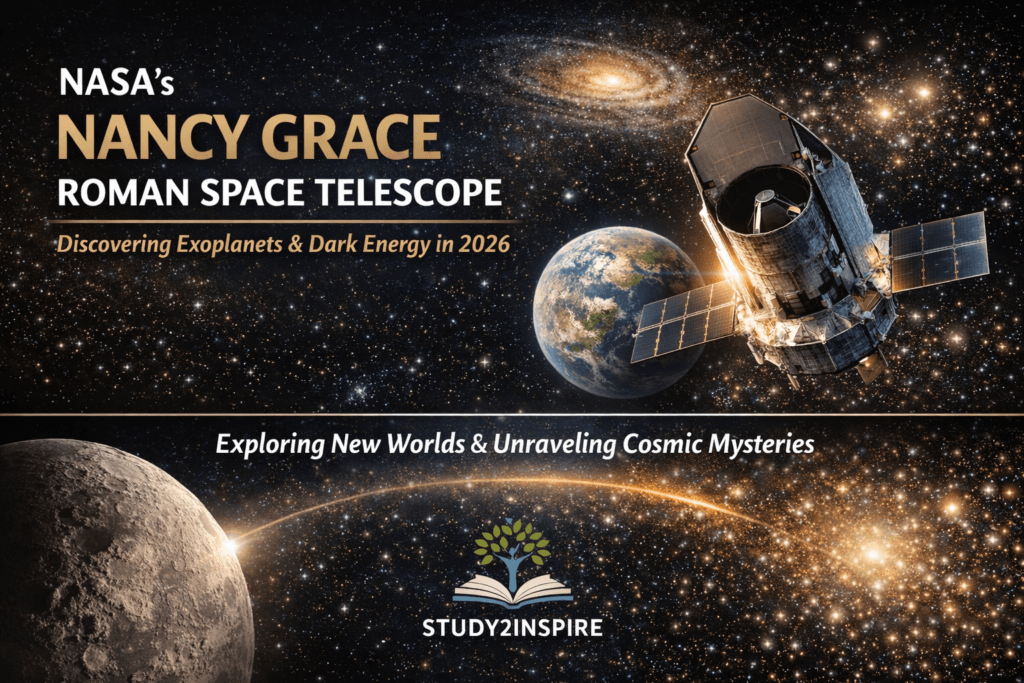
The year 2026 marks a significant milestone in the field of astronomy and space exploration. NASA is preparing to launch the Nancy Grace Roman Space Telescope, a mission that promises to transform our understanding of the universe. Named after NASA’s first Chief of Astronomy, the Roman Space Telescope is designed to explore the mysteries of dark energy and detect distant exoplanets with unprecedented precision. This post delves into the telescope’s objectives, capabilities, expected discoveries, and its significance for humanity and science.
The Nancy Grace Roman Space Telescope: An Overview
NASA’s Roman Space Telescope is a next-generation space observatory that builds upon the legacy of the Hubble and James Webb Space Telescopes. Unlike its predecessors, the Roman Telescope is equipped with a wide-field instrument that allows it to capture vast regions of the sky in a single observation. This capability is essential for large-scale surveys aimed at understanding dark energy, the expansion of the universe, and the population of exoplanets.
Key Features and Instruments of The Nancy Grace Roman Space Telescope
Wide-Field Instrument
The Wide-Field Instrument (WFI) on the Roman Space Telescope is one of its most defining features. It provides imaging and spectroscopy over a field of view 100 times larger than Hubble, enabling astronomers to conduct comprehensive surveys of galaxies, star clusters, and cosmic structures. The WFI will play a crucial role in mapping dark matter and observing supernovae, helping scientists understand the universe’s accelerated expansion.
Coronagraph Instrument
The telescope is also equipped with a coronagraph instrument designed to directly image exoplanets. This advanced technology blocks out starlight to reveal faint planets orbiting distant stars. The coronagraph will allow researchers to study exoplanet atmospheres, compositions, and potential habitability, offering insights into worlds beyond our solar system.
Scientific Objectives of The Nancy Grace Roman Space Telescope
Exploring Dark Energy
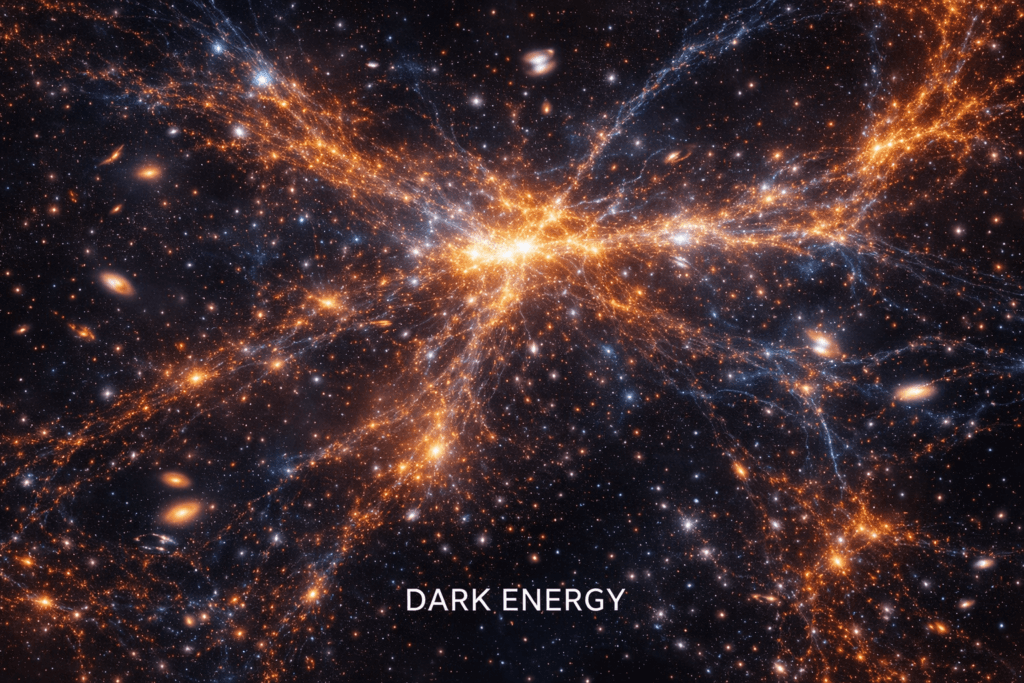
One of the primary missions of the Roman Space Telescope is to investigate dark energy. This mysterious force constitutes approximately 68 percent of the universe and is driving its accelerated expansion. By mapping the distribution of galaxies and observing supernovae, the telescope will provide critical data to refine cosmological models and test theories about the universe’s fate.
Exoplanet Discovery
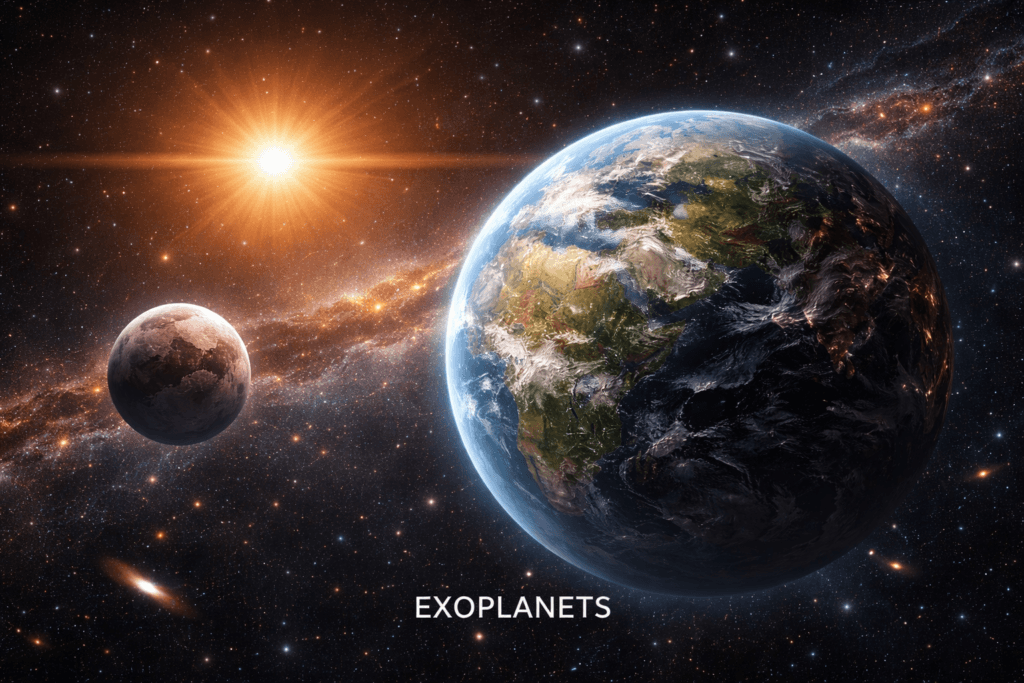
The Roman Space Telescope is expected to revolutionize the search for exoplanets. Using microlensing techniques, it will detect planets that are otherwise too distant or faint to be observed directly. This survey is anticipated to identify thousands of new exoplanets, including those in habitable zones where life could potentially exist.
Galactic and Stellar Evolution
Beyond dark energy and exoplanets, the telescope will also study the formation and evolution of galaxies, stars, and planetary systems. Its wide-field observations will enable astronomers to track the growth and evolution of galaxies over billions of years, providing a comprehensive understanding of cosmic history.
Hubble, James Webb, and Nancy Grace Roman Space Telescope: Exploring the Universe Together
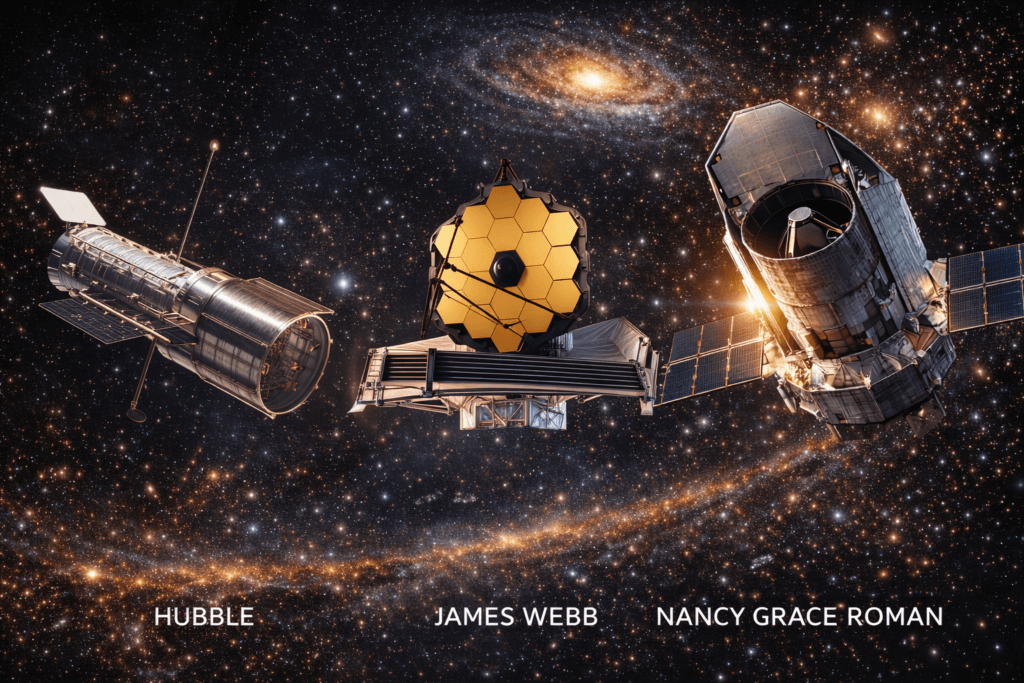
Space telescopes have revolutionized our understanding of the cosmos, and three of the most influential observatories in history are the Hubble Space Telescope, the James Webb Space Telescope, and the upcoming Nancy Grace Roman Space Telescope. Each of these telescopes has unique capabilities and missions that complement each other, enabling scientists to study the universe in unprecedented detail.
Hubble Space Telescope (HST)
Launched in 1990, the Hubble Space Telescope operates in low Earth orbit, approximately 547 kilometers above the planet’s surface. It is equipped with a 2.4-meter primary mirror and instruments capable of observing in ultraviolet, visible, and near-infrared light. Hubble’s primary task is to capture high-resolution images of celestial objects, from distant galaxies to nearby planets. Over its decades of operation, Hubble has made groundbreaking discoveries, including measuring the rate of expansion of the universe, revealing the presence of supermassive black holes at the centers of galaxies, and observing the formation of stars and planetary systems.
James Webb Space Telescope (JWST)
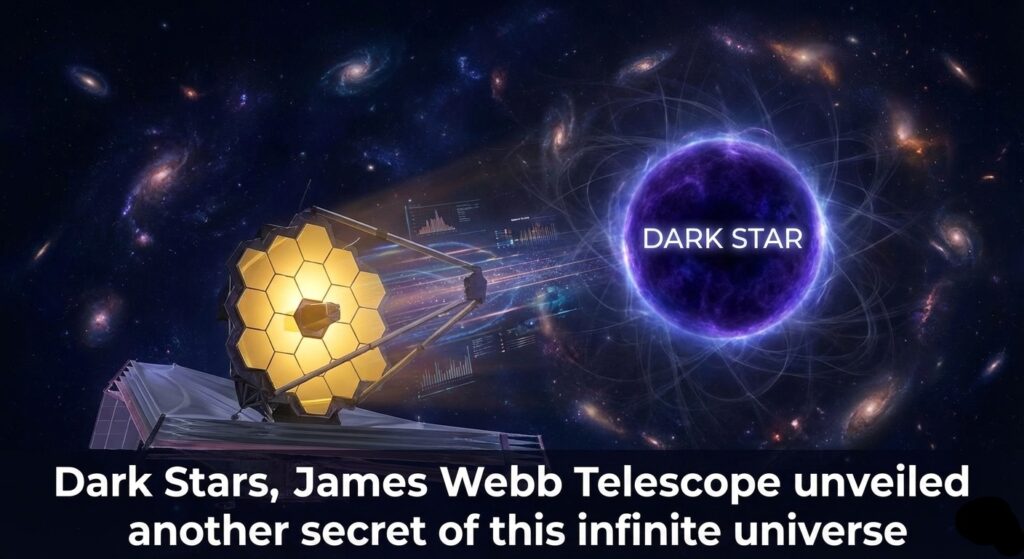
Launched in December 2021, the James Webb Space Telescope is positioned near the second Lagrange point (L2), about 1.5 million kilometers from Earth. JWST features a massive 6.5-meter primary mirror composed of 18 gold-coated segments, enabling it to capture faint infrared signals from the earliest galaxies in the universe. Its instruments include near- and mid-infrared cameras and spectrographs, optimized for studying star formation, galaxy evolution, and the atmospheres of exoplanets. JWST’s key tasks involve peering back in time to observe the first galaxies formed after the Big Bang, studying the birth and death of stars, and analyzing exoplanet atmospheres to search for signs of habitability.
Nancy Grace Roman Space Telescope
Scheduled for launch in 2026, the Nancy Grace Roman Space Telescope is designed as a wide-field observatory, capable of imaging large portions of the sky with high resolution. Its 2.4-meter mirror is similar in size to Hubble’s but paired with a Wide-Field Instrument that provides a field of view 100 times larger than Hubble’s. Roman also includes a coronagraph to directly image exoplanets and study their atmospheres. Roman’s primary missions include investigating dark energy and dark matter, performing a census of exoplanets using microlensing, and mapping the structure and evolution of galaxies.
Key Differences and Complementary Nature
While all three telescopes observe the universe, their approaches differ. Hubble focuses on high-resolution imaging and ultraviolet-visible light, JWST specializes in infrared observations to explore the early universe and hidden structures, and Roman excels in wide-field surveys and exoplanet imaging. Together, these observatories form a powerful suite of tools for understanding the cosmos, each contributing unique insights while complementing the others’ strengths.
The Nancy Grace Roman Space Telescope – Expected Discoveries in 2026
The launch of the Roman Space Telescope in 2026 is poised to yield groundbreaking discoveries. Among the most anticipated outcomes are thousands of new exoplanets, refined dark energy measurements, and high-resolution cosmic maps. Its data will complement the observations of Hubble and JWST, providing a holistic view of galaxies, star clusters, and large-scale cosmic structures.
Significance for Science and Humanity

Advancing Astrophysics
The Roman Space Telescope represents a leap forward in astrophysics, offering tools and data that will shape research for decades. Its observations will complement those of Hubble, James Webb, and other observatories, creating a comprehensive picture of the universe’s past, present, and future.
Inspiring Curiosity and Exploration
Beyond its scientific contributions, the Roman Telescope inspires curiosity and a sense of exploration. Its discoveries will capture the imagination of the public, encouraging interest in science and technology, engineering, and mathematics. The mission embodies humanity’s quest to understand our place in the cosmos.
Implications for the Search for Life
The telescope’s ability to study exoplanet atmospheres may reveal signs of habitability or even life. By identifying potentially habitable worlds, it will guide future missions and research aimed at answering one of humanity’s most profound questions: Are we alone in the universe?
The Nancy Grace Roman Space Telescope – Challenges and Considerations
Technical Challenges
Launching and operating a complex space telescope involves significant technical challenges. Ensuring the instruments function correctly in the harsh environment of space is critical. NASA has conducted extensive testing to mitigate risks and ensure mission success.
Data Analysis and Interpretation
The Nancy Grace Roman Space Telescope will generate massive amounts of data, requiring advanced computational techniques and artificial intelligence for analysis. Interpreting this data accurately is essential for drawing meaningful scientific conclusions.
Public Engagement and Education
Maximizing the impact of the mission also involves effective public engagement and education. Making data and discoveries accessible to educators, students, and the general public will enhance the mission’s societal benefits.
The Nancy Grace Roman Space Telescope And Future Prospects Beyond 2026
The Nancy Grace Roman Space Telescope is just the beginning of a new era in space exploration. Its data will inform future missions, including potential manned missions to distant planets and more advanced observatories. Collaborations with international space agencies and scientific institutions will expand its impact, fostering a global effort to explore the universe.
Conclusion
The launch of NASA’s Nancy Grace Roman Space Telescope in 2026 represents a transformative moment in space science. With its powerful instruments and ambitious objectives, it promises to deepen our understanding of dark energy, uncover thousands of new exoplanets, and map the universe with unprecedented detail. Alongside Hubble and James Webb, the Roman Telescope completes a trio of observatories that collectively explore the cosmos from ultraviolet to infrared and wide-field surveys, ensuring humanity’s view of the universe becomes clearer and richer than ever before.
FAQ
Q1: What is the Nancy Grace Roman Space Telescope?
A: The Nancy Grace Roman Space Telescope (Roman Telescope) is NASA’s next-generation space observatory, scheduled for launch in 2026. It is designed to study dark energy, detect distant exoplanets, and map the structure of the universe using its wide-field and coronagraph instruments. It builds upon the legacy of Hubble and James Webb but adds new capabilities for large-scale surveys.
Q2: Why is it named “Nancy Grace Roman”?
A: The telescope is named after Nancy Grace Roman, NASA’s first Chief of Astronomy and a pioneering advocate for space telescopes. She is often called the “Mother of Hubble” for her role in planning and advocating for space-based observatories.
Q3: What are the key instruments on the Roman Telescope?
A: The telescope has two primary instruments:
- Wide-Field Instrument (WFI): Provides imaging and spectroscopy over a field of view 100 times larger than Hubble’s, ideal for mapping galaxies, star clusters, and cosmic structures.
- Coronagraph Instrument: Blocks starlight to directly image exoplanets, study their atmospheres, and investigate potential habitability.
Q4: What are the main scientific goals of the Roman Telescope?
A: Its primary objectives include:
- Investigating dark energy to understand the accelerated expansion of the universe.
- Discovering thousands of exoplanets, including those in habitable zones.
- Mapping galactic and stellar evolution to study the formation and development of galaxies and stars.
Q5: How does Roman compare to Hubble and James Webb?
A: Each telescope has unique strengths:
- Hubble: High-resolution imaging in ultraviolet, visible, and near-infrared light.
- James Webb (JWST): Observes infrared signals to study early galaxies, star formation, and exoplanet atmospheres.
- Roman: Wide-field imaging, exoplanet microlensing, and direct exoplanet imaging with a coronagraph. Together, these observatories provide a comprehensive view of the universe.
Q6: What discoveries can we expect from the Roman Telescope?
A: Scientists anticipate thousands of new exoplanets, refined measurements of dark energy, and detailed cosmic maps that reveal the structure and evolution of galaxies, star clusters, and large-scale cosmic features.
Q7: Why is studying dark energy important?
A: Dark energy constitutes about 68% of the universe and is responsible for its accelerated expansion. Understanding dark energy helps scientists refine cosmological models and predict the ultimate fate of the universe.
Q8: How will the Roman Telescope advance the search for life?
A: By studying exoplanet atmospheres with its coronagraph, the telescope may identify habitable worlds or conditions that support life, guiding future space missions and research on extraterrestrial life.
Q9: What are the technical challenges of this mission?
A: Operating a complex space telescope involves ensuring instrument reliability in harsh space conditions, managing massive data streams, and accurately analyzing observations using advanced computational techniques and AI.
Q10: How will the Roman Telescope inspire the public?
A: Beyond science, Roman is expected to inspire curiosity, education, and engagement in astronomy and STEM fields. Its discoveries will capture imaginations worldwide and encourage the next generation of scientists and explorers.
Q11: What is the long-term impact of the Roman Telescope?
A: The Roman Telescope will shape decades of astrophysics research, complementing Hubble and JWST. It will inform future missions, enhance international collaborations, and expand our understanding of the universe from dark energy to distant exoplanets.