

We are living in the most connected era in human history, yet millions of people wake up tired, mentally drained, and emotionally unmotivated every single day.
You may not be sick.
You may be sleeping “enough.”
You may even be eating properly.
But still… You feel exhausted.
Welcome to the Silent Burnout Epidemic, one of the most talked-about health and lifestyle issues in recent years.
This is not just about work stress. It affects students, parents, office workers, freelancers, and even teenagers. The problem is subtle, gradual, and dangerous because many people don’t realize what’s happening until they feel completely overwhelmed.
Let’s understand what’s really going on and how to recover.
What Is Silent Burnout?
Burnout is not just “being tired.” It is a state of emotional, mental, and physical exhaustion caused by long-term stress without proper recovery.
It becomes silent when:
- You continue functioning normally
- You keep going to work or school
- You handle responsibilities
But inside, your energy, motivation, and emotional strength are slowly draining.
The World Health Organization describes burnout as a syndrome resulting from chronic workplace stress, but today, experts agree it goes beyond jobs; it’s now a lifestyle burnout.
Signs You Might Be Experiencing Burnout Even If You Don’t Realize It
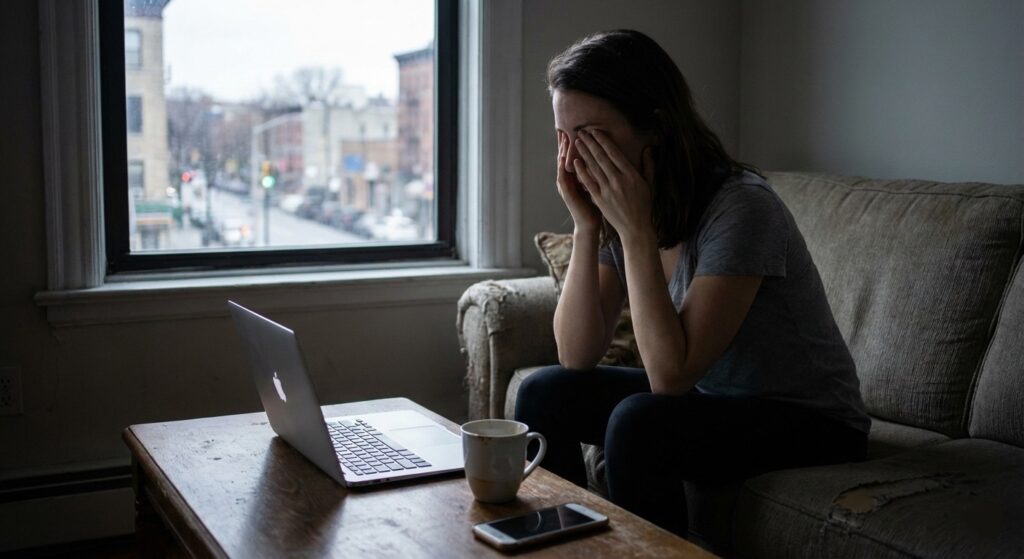
Many people think burnout means “I can’t work anymore.” That’s not always true.
Here are subtle signs:
Mental Signs
- Constant overthinking
- Difficulty in focusing
- Feeling mentally “foggy”
- Forgetting simple things
Emotional Signs
- Feeling detached from people
- Losing interest in things you once enjoyed
- Irritability over small issues
- Feeling “empty” instead of sad
Physical Signs
- Waking up tired
- Frequent headaches
- Muscle tension
- Sleep problems
Behavioral Signs
- Procrastinating important tasks
- Scrolling on the phone for hours without purpose
- Avoiding social interaction
- Doing only the minimum required
If this sounds familiar, you’re not lazy, you’re likely mentally overloaded.
Why Is Burnout So Common Today?
Modern life is not physically harder than it was in the past, but it is mentally heavier.
Constant Digital Stimulation
Your brain never rests.
Notifications, social media, news, messages, emails, your mind is always processing information.
Even when you relax, you scroll.
That’s not rest. That’s more input.
Pressure to Always Be Productive
We are surrounded by messages like:
- “Wake up at 5 AM”
- “Hustle harder”
- “No days off”
- “Success requires sacrifice”
While discipline is beneficial, constant pressure can make people feel guilty for taking a break.
Emotional Load
People today carry silent emotional stress:
- Financial worries
- Career uncertainty
- Academic pressure
- Family expectations
- Fear about the future
Your brain treats emotional stress the same way it treats physical danger; it keeps your system in alert mode.
Lack of Real Rest
Sleep is not the same as recovery.
True recovery requires:
- Mental relaxation
- Emotional safety
- Time without demands
Most people sleep with their minds still stressed.
What Burnout Does to Your Brain
Long-term stress increases a hormone called cortisol.
Too much cortisol leads to:
- Poor memory
- Low motivation
- Mood changes
- Weak immune system
- Difficulty making decisions
Your brain switches from “growth mode” to “survival mode.”
That’s why you feel like you’re just trying to get through the day.
How to Recover From Silent Burnout
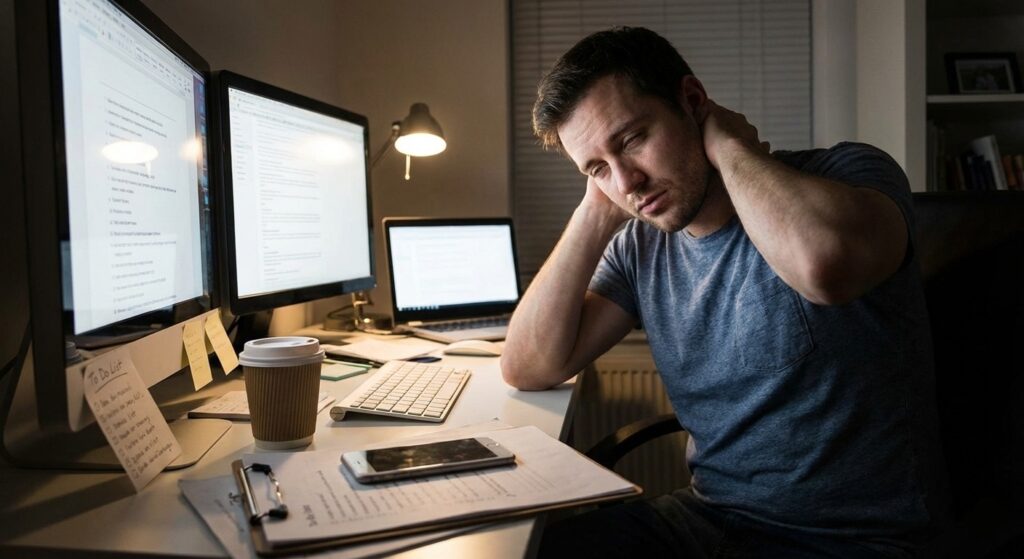
Recovery is not about quitting everything. It’s about rebalancing your nervous system.
Schedule “Unproductive Time”
This sounds strange, but it works.
Do something with no goal:
- Sit outside
- Walk without a phone
- Listen to music
- Watch the sky
Your brain needs time where nothing is expected.
Reduce Information Overload
Try:
- No phone for the first 30 minutes after waking
- No scrolling before bed
- Turn off non-essential notifications
Less input = more mental energy.
Focus on One Task at a Time
Multitasking increases stress.
Instead of:
Chat + YouTube + Work + Messages
Do:
One task → Short break → Next task
Your brain feels safer with clarity.
Sleep for Recovery, Not Just Hours
Before bed:
- Avoid the phone 30 minutes before sleep
- Dim lights
- Calm your mind
Good sleep repairs your nervous system.
Say “No” Without Guilt
Every “yes” costs energy.
You don’t have to attend every event.
You don’t have to solve everyone’s problem.
Protecting your energy is not selfish; it’s necessary.
Move Your Body Gently
You don’t need heavy workouts.
- Walking
- Stretching
- Light exercise
Movement helps release stress hormones.
Reconnect With Enjoyment
Burnout steals joy.
Ask yourself:
“What did I enjoy before life became this busy?”
Reading? Drawing? Talking with friends? Nature?
Joy is not a reward; it is fuel.
The Biggest Misunderstanding About Burnout
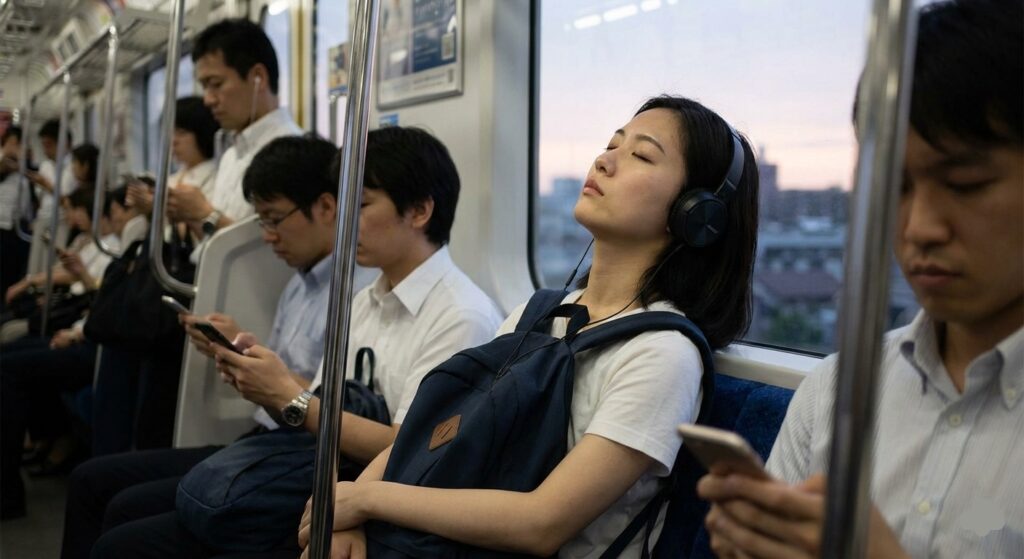
People think:
“I’m just being lazy.”
But laziness is not constant exhaustion.
Burnout is a signal, not a weakness.
Your mind is asking for balance, not escape.
Why This Topic Matters Today
Across the world:
- Students feel academic pressure
- Workers face job insecurity
- Parents manage emotional and financial stress
- Young people compare their lives online
We are overstimulated but under-rested. Connected but emotionally drained.
Recognizing burnout early prevents:
- Anxiety disorders
- Depression
- Health problems
- Loss of motivation
A Healthier Way to Live
Success is not about doing more.
It’s about doing what matters without destroying your mental health.
Small daily recovery habits can change everything.
Your energy is your most valuable resource; protect it like you protect money.
Final Thoughts
If you feel constantly tired, unfocused, or emotionally drained, you are not alone. You are experiencing what millions quietly go through.
The solution is not working harder.
The solution is learning how to rest properly, set boundaries, and reduce mental overload.
Burnout recovery is not instant, but with small, consistent changes, your mind and body can return to balance.
Listen to your energy. It tells the truth.
Frequently Asked Questions
1. What is silent burnout?
Silent burnout is a state of emotional, mental, and physical exhaustion that develops gradually due to long-term stress. A person may continue working or studying normally but feels constantly drained, unmotivated, and mentally overloaded inside.
2. How is burnout different from normal tiredness?
Normal tiredness improves with rest or sleep. Burnout, however, does not go away easily. Even after sleeping, a person may feel mentally exhausted, emotionally detached, and unable to focus.
3. What causes silent burnout?
Silent burnout is usually caused by:
- Long-term stress
- Work or academic pressure
- Emotional responsibilities
- Financial worries
- Constant digital stimulation
- Lack of proper mental rest
It often builds up slowly over time.
4. Can students experience burnout?
Yes. Students commonly experience burnout due to exams, performance pressure, lack of sleep, and expectations from family or society. Academic burnout is increasingly common among teenagers and university students.
5. What are the early warning signs of burnout?
Early signs include:
- Constant fatigue
- Brain fog or poor focus
- Irritability
- Loss of interest in hobbies
- Sleep problems
- Feeling emotionally numb
Recognizing these signs early can prevent serious mental health issues.
6. How can I recover from burnout?
Recovery involves small but consistent changes, such as:
- Taking real mental breaks
- Reducing phone and screen time
- Sleeping properly
- Setting boundaries
- Gentle exercise
- Doing activities you enjoy
Recovery takes time, but it is possible.
7. Is burnout a medical condition?
Burnout itself is not classified as a disease, but it can lead to serious conditions like anxiety, depression, or physical health problems if ignored. Seeking professional help is important if symptoms become severe.
8. Can burnout affect physical health?
Yes. Chronic stress can weaken the immune system and lead to headaches, muscle pain, digestive problems, and sleep disturbances.
9. How long does burnout recovery take?
Recovery time varies. Some people feel better within weeks after making lifestyle changes, while others may need months. The key is consistency and reducing stress gradually.
10. When should I seek professional help?
If you feel hopeless, constantly anxious, unable to function normally, or have severe sleep problems, consult a doctor or mental health professional for proper guidance.