
Introduction
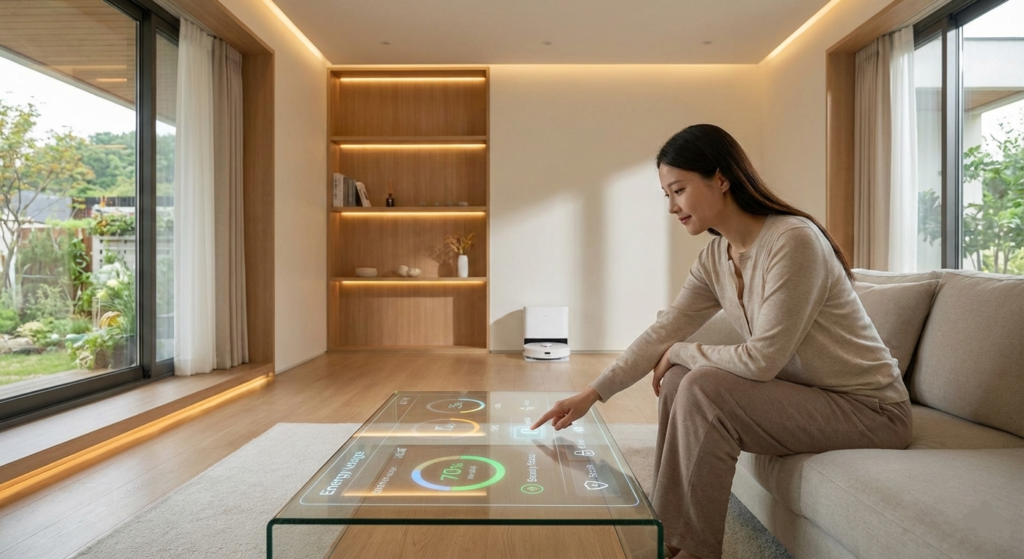
In the past decade, smart homes have moved from science fiction to reality. With the rise of AI-powered devices, homes are no longer just spaces to live, they are becoming intelligent ecosystems that learn, adapt, and assist residents in daily tasks. From voice-activated assistants to automated climate control, AI is reshaping how we interact with our living spaces.
This post explores the latest trends in AI smart homes, practical benefits, potential risks, and how ordinary families can embrace this technology to enhance comfort, efficiency, and safety.
What is an AI Smart Home?
An AI smart home uses connected devices, sensors, and intelligent software to automate everyday tasks. Unlike traditional smart devices, AI-enabled systems learn from user behavior to anticipate needs and make decisions.
Key Features:
- Voice-controlled assistants (Amazon Alexa, Google Assistant, Apple Siri)
- Smart lighting and climate control
- Automated security systems with facial recognition
- Energy-saving routines powered by AI
- Predictive maintenance for appliances
By integrating multiple devices into a centralized AI system, homeowners can control nearly every aspect of their home effortlessly.
Benefits of AI in Daily Life
1. Enhanced Convenience
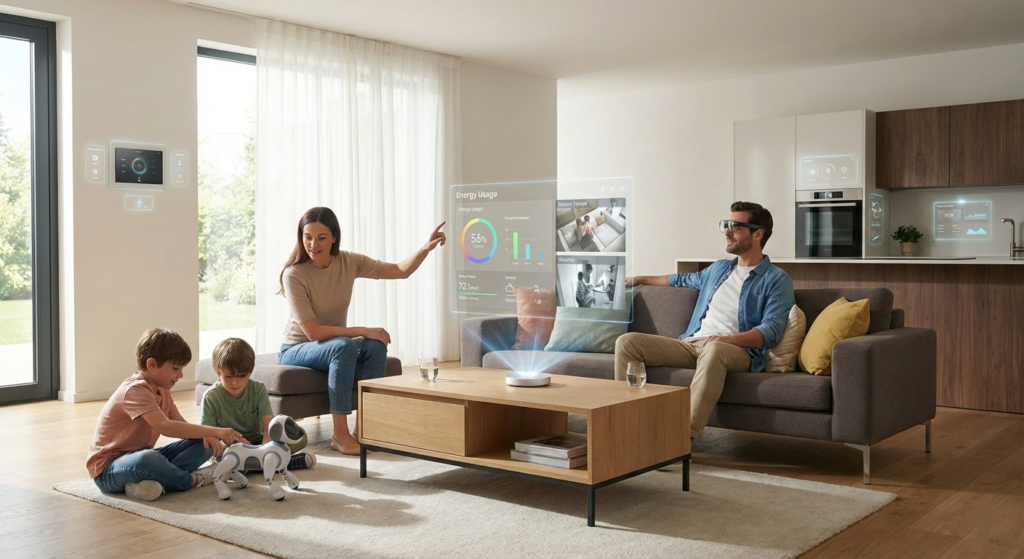
Imagine arriving home and your lights adjust automatically, your favorite playlist starts, and the thermostat sets the perfect temperature. AI enables seamless automation, reducing time spent on repetitive tasks.
2. Improved Energy Efficiency
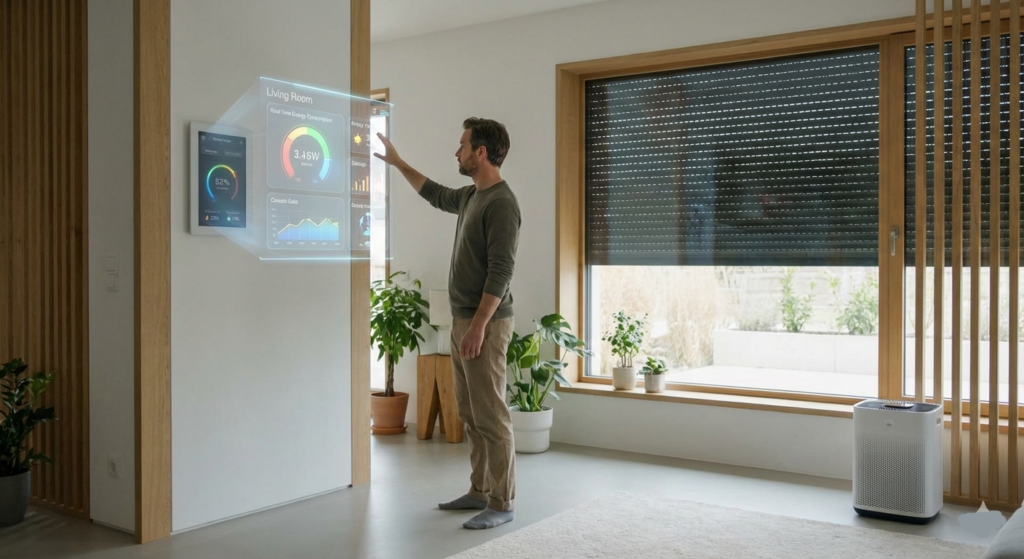
Smart thermostats and AI-managed appliances monitor energy usage and adjust settings to minimize wastage. For instance, your heating system can lower temperatures when rooms are empty, saving money and reducing carbon footprint.
3. Heightened Security
AI-powered cameras, door locks, and motion detectors identify unusual patterns, send real-time alerts, and even recognize faces. This ensures greater peace of mind, especially for families and frequent travelers.
4. Personalized Experiences
AI systems learn individual preferences over time, from lighting preferences to music choices. A smart home adapts to your habits, making life more comfortable and tailored.
5. Accessibility and Assistance
For the elderly or individuals with disabilities, AI home devices provide critical support, voice commands for lights, doors, or appliances, emergency alerts, and automated routines for daily living.
How AI Learns Your Habits
AI relies on machine learning algorithms that analyze user behavior. For example:
- A smart thermostat observes when you wake up and leave home
- Your smart speaker notes the time you play music or set alarms
- Lights adjust based on historical usage patterns
The more you interact with devices, the smarter they become. Over time, your home can anticipate needs without manual intervention.
Popular AI Smart Home Devices in 2026
| Device Type | Example | Key Feature |
|---|---|---|
| Voice Assistants | Amazon Echo, Google Nest | Voice control, routines |
| Smart Thermostats | Nest Learning Thermostat | Predictive climate control |
| Smart Security | Ring, Arlo | AI-powered cameras, alerts |
| Smart Appliances | Samsung Smart Fridge | Inventory tracking, recipe suggestions |
| Smart Lighting | Philips Hue | Automated schedules, mood settings |
These devices are increasingly affordable and user-friendly, making smart homes accessible to a wide audience.
Challenges and Risks
1. Privacy Concerns
AI devices collect data to function optimally, raising privacy and data security issues. Homeowners must ensure strong passwords, secure networks, and trusted devices.
2. Cybersecurity Threats
Connected devices can be hacked, potentially giving intruders access to sensitive information or even control of your home.
3. High Initial Cost
While prices are falling, setting up a fully integrated AI home can still be expensive. However, gradual adoption of devices allows families to spread costs over time.
4. Dependency on Technology
Over-reliance on automation may reduce manual skills or increase anxiety if devices malfunction. A balanced approach is crucial.
Practical Tips for Creating Your AI Smart Home
- Start Small: Begin with one or two devices like a smart speaker or thermostat.
- Prioritize Security: Use strong passwords and secure Wi-Fi networks.
- Integrate Gradually: Add devices slowly, ensuring compatibility.
- Monitor Usage: Track energy, data, and costs to optimize benefits.
- Educate Family Members: Teach everyone how to use devices safely.
Future of AI Smart Homes
Experts predict that by 2030:
- Homes will use AI to predict health issues using wearable and in-home sensors
- Appliances will communicate with each other, creating self-managing ecosystems
- AI will manage energy at a community level, balancing power demand and supply
The convergence of AI, IoT, and renewable energy will redefine daily living, sustainability, and home management.
Frequently Asked Questions (FAQs)
1. What is an AI smart home?
An AI smart home uses intelligent devices and software to automate and adapt household tasks based on user behavior.
2. Are AI smart homes expensive?
Costs vary. Individual devices are affordable, but a fully integrated system can be costly. Gradual adoption is recommended.
3. How secure are smart home devices?
Security depends on device quality, password strength, and network safety. Use secure networks and trusted brands.
4. Can AI smart homes save energy?
Yes. Smart thermostats, lights, and appliances optimize usage, reducing energy consumption and costs.
5. Are AI smart homes suitable for elderly or disabled individuals?
Absolutely. Voice-controlled devices and automated routines provide critical assistance and improve accessibility.
6. What is the future of AI smart homes?
Homes will increasingly integrate predictive health, energy optimization, and fully automated ecosystems, making life safer, efficient, and comfortable.
Conclusion
AI-powered smart homes are no longer a luxury, they are reshaping modern living. By automating routines, enhancing security, and personalizing experiences, AI helps families live more efficiently and safely. While challenges like privacy and costs exist, careful planning and gradual integration can make smart homes accessible to everyone.
Embracing AI in your home today is a step toward the smart, connected lifestyles of the future.