
The universe is vast, mysterious, and endlessly fascinating. When we gaze at the amazing night sky, we are not just seeing stars and planets; we are witnessing the wondrous story of the cosmos, a story that stretches across billions of years, full of stunning journeys of the brilliant creations beyond imagination. Each celestial object, each cosmic event, reminds us that the universe is far more extraordinary than our everyday experiences. The phrase “out of this world” perfectly captures this awe, pointing to experiences and ideas beyond ordinary understanding.
But the universe is more than distant stars. It reflects human curiosity, courage, and the desire to explore the unknown realms of existence.
Out of this Word is Humanity’s Endless Curiosity
Since ancient times, humans have looked to the sky with wonder and curiosity. Early astronomers tracked the movements of the sun, moon, and stars, creating calendars, predicting seasons, and linking life on Earth to celestial events. The Babylonians charted constellations, the Egyptians built pyramids aligned with the stars, and the Greeks developed early theories of planetary motion.
Curiosity is deeply human. It inspires questions like: What lies beyond our world? What governs the stars? Why does the universe exist as it does? This drive laid the foundation for modern science, astronomy, and space exploration. Today, satellites, space telescopes, and probes allow us to study the universe in ways our ancestors could only dream of. And today, if they were to come alive, they would gaze upon us in awe, just as we gaze at the distant stars, uncovering their secrets with astonishing clarity. The same curiosity and wonder that drive us to explore the universe would connect us across time and existence, reminding us that the desire to understand is universal.
Out of this World are the Wonders of the Cosmos
What the cosmos orchestrates within itself is an everlasting journey. The universe is full of phenomena that defy imagination. Stars range from small red dwarfs to massive blue giants, burning with incredible energy. Planets orbit these stars in countless arrangements, some familiar, others alien. Nebulae glow in vibrant colors as stars are born, supernovae scatter elements across space, and black holes challenge our understanding of physics.
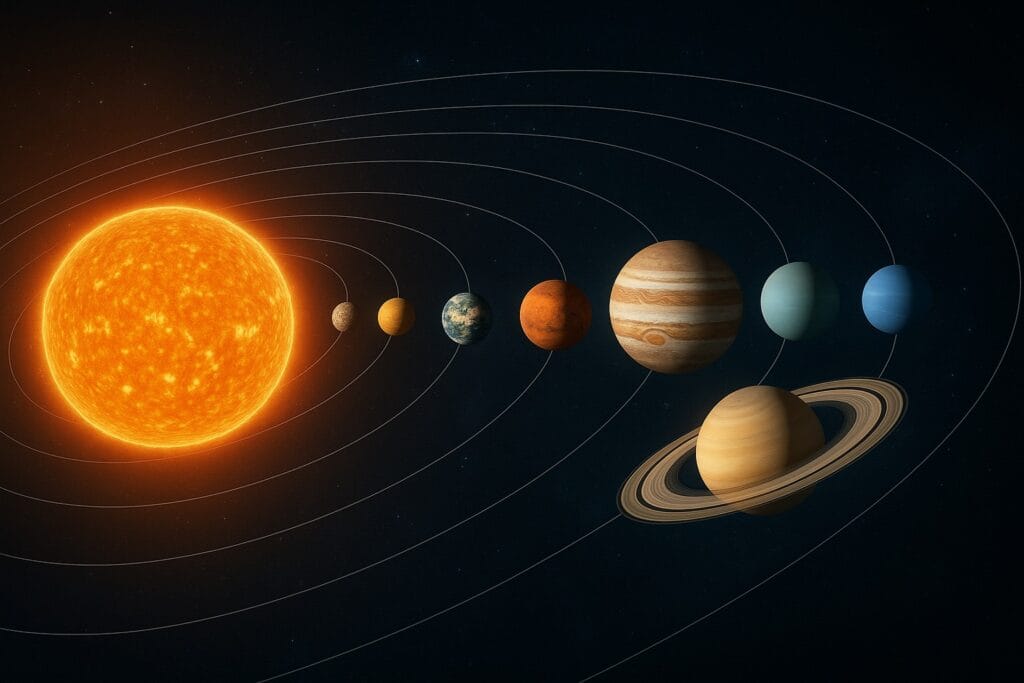
Even within our solar system, wonders abound. Saturn’s rings shimmer with icy particles, Jupiter’s storms rage with intense energy since their inception, and Mars holds clues to ancient water, suggesting that life might exist beyond Earth. These cosmic marvels remind us that the universe is more extraordinary than any story or dream.
Out of this World is Space Exploration and Human Achievement
Humanity’s journey into space is one of history’s greatest achievements. From Sputnik’s launch to Yuri Gagarin becoming the first human in space, and the Apollo 11 Moon landing, these milestones showcase human courage, determination, and collaboration.
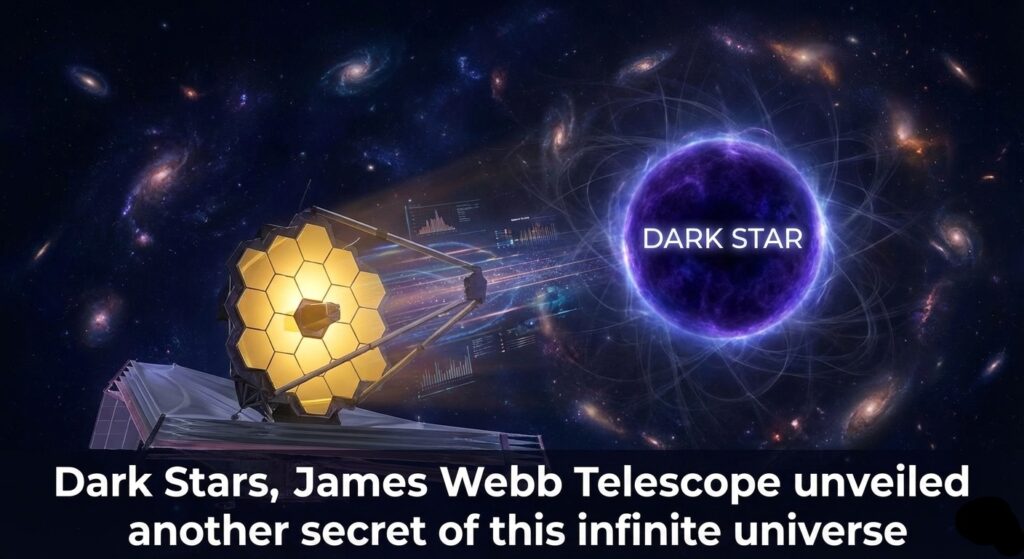
Today, Mars rovers explore alien landscapes, analyzing rocks and searching for signs of life. Through the Hubble Space Telescope, we witness the breathtaking beauty of distant galaxies and nebulae, while the James Webb Space Telescope astonishes humanity with images that capture the universe in unprecedented detail. Space probes have journeyed to the outer planets and even left the solar system, carrying messages from Earth into the unknown.
Every success is a testament to curiosity, perseverance, and the desire to go beyond limits. Space exploration proves that when we dare to dream, the impossible becomes possible.
Out of this World and Lessons from Space
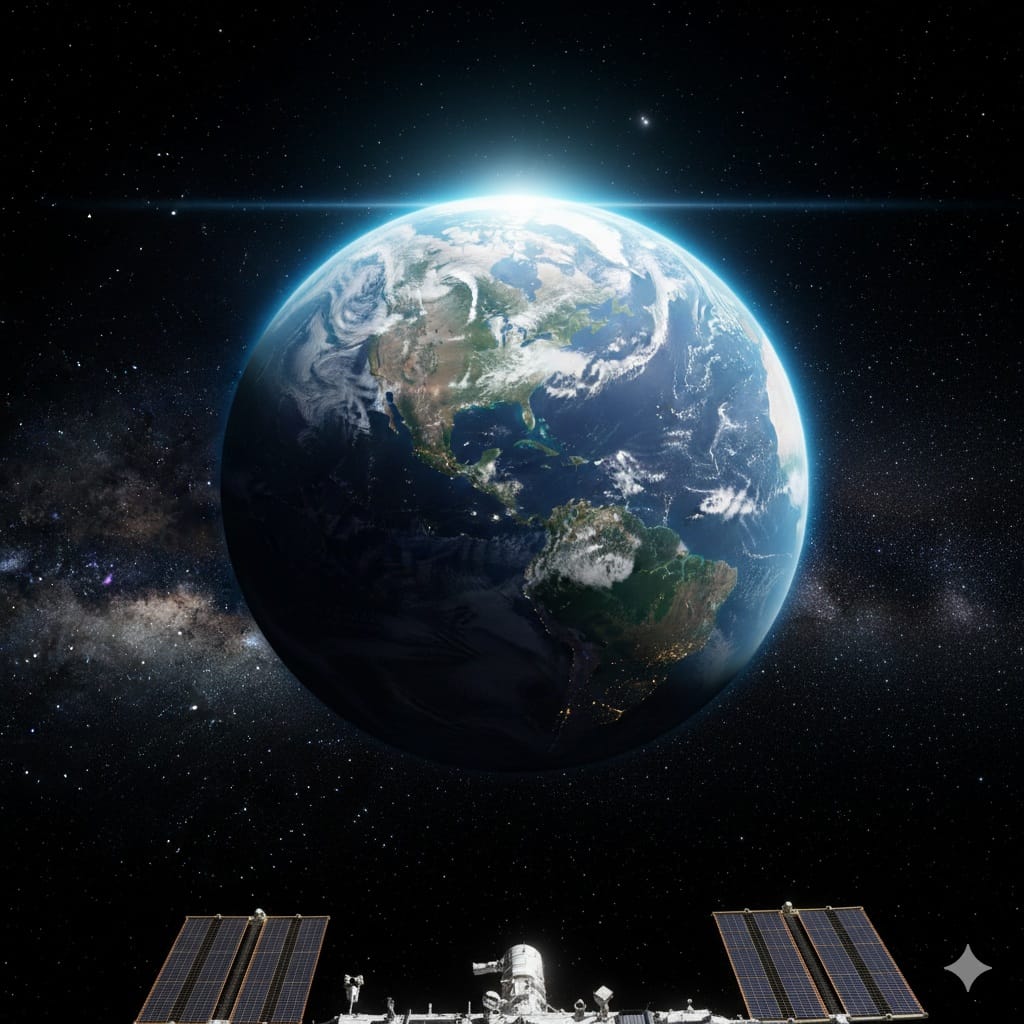
Seeing Earth from orbit offers a perspective few experience. Astronauts describe a profound sense of connectedness and fragility. Our planet appears as a tiny blue dot, and boundaries seem insignificant. Space reminds us to appreciate and protect our home while also inspiring a broader view of life and humanity.
Space also teaches resilience. Every mission involves risk, uncertainty, and occasional failure. Yet setbacks become lessons, guiding humanity toward success. This mirrors life itself: progress comes through curiosity, persistence, and courage in the face of the unknown.
Out of This World and the Future of Space Exploration
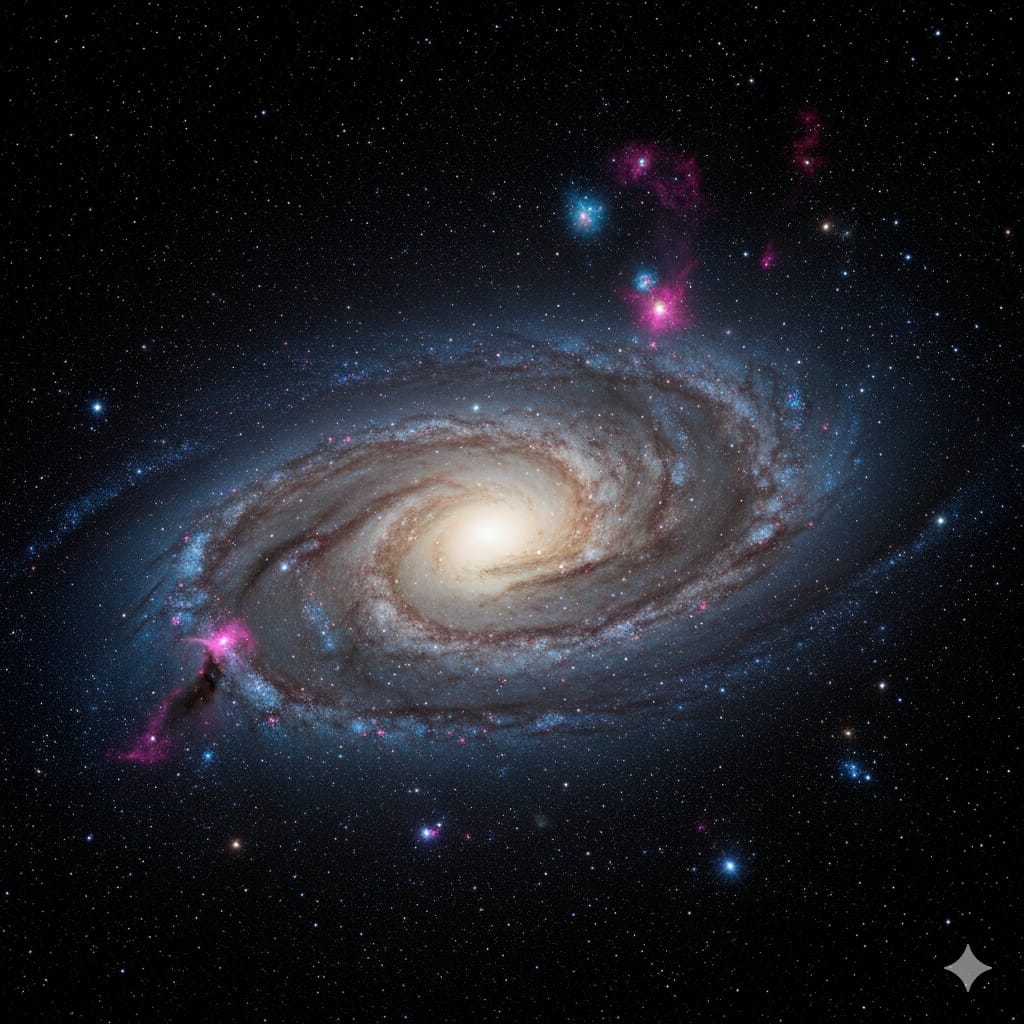
The future promises even more extraordinary discoveries. Human missions to Mars, asteroid mining, and interstellar research are no longer science fiction; they are ambitions actively pursued. Advanced technology, robotics, and artificial intelligence make these goals increasingly achievable.
Mars colonization, for example, challenges us to imagine life beyond Earth, requiring innovative solutions for survival and sustainability. Asteroid mining could provide resources for Earth and future space missions. Interstellar research may one day allow us to study planets around distant stars.
These efforts show that being “out of this world” is not only about physical travel. It’s about expanding human imagination, daring to explore, and redefining limits.
Out of this World-Inspiration and Personal Growth
Space exploration offers lessons far beyond science. Curiosity, risk-taking, and the drive to explore unknown territories are qualities that shape our personal and professional lives. Just as astronauts venture into space, we can venture into the untapped potential within ourselves.
Thinking “out of this world” encourages creativity, innovation, and problem-solving. It reminds us that our imagination is a powerful tool, capable of transcending limits and inspiring new possibilities. Challenges become opportunities, setbacks lead to growth, and exploration becomes a metaphor for personal development.
Out of this World is the Universe as a Mirror
The cosmos often mirrors our own lives. Its vastness inspires humility, its mysteries ignite curiosity, and its beauty sparks wonder. Observing distant galaxies or imagining alien worlds encourages reflection on our own planet and our role in it.
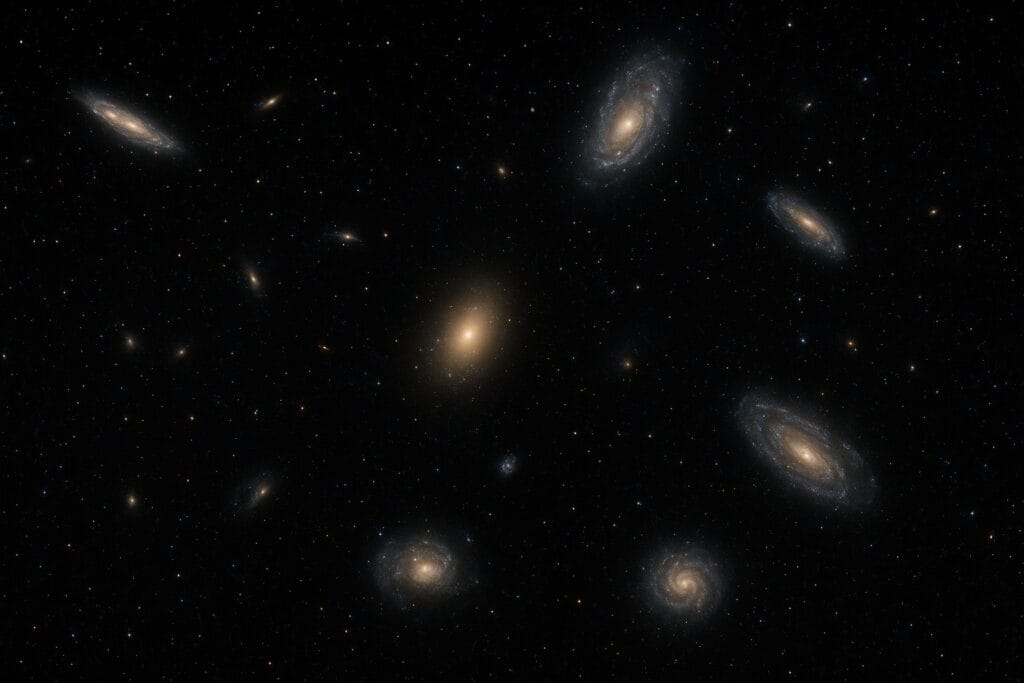
At the same time, the universe motivates action. Every discovery is a testament to human potential and resilience, showing that even in the face of immense challenges, we can achieve extraordinary feats.
Conclusion: The Journey Never Ends Out of this World
Being “out of this world” is more than a phrase. It is a mindset, a commitment to curiosity, exploration, and embracing the unknown. The universe encourages us to dream big, push boundaries, and reach for the extraordinary.
Humanity’s journey into space is still just beginning. Countless discoveries await, mysteries beckon, and lessons abound. Each step into the cosmos teaches us not only about the universe but also about ourselves.
The cosmos reminds us that our potential is limitless, that curiosity drives growth, and that the journey of discovery never truly ends. To be “out of this world” is to look beyond limits, embrace wonder, and pursue the extraordinary.
What we see of the universe is only a tiny fragment, yet even that is enough to stir awe within us. Beyond our vision lies a vast expanse that challenges the limits of imagination, reminding us that the cosmos is infinite. The journey of discovery is only beginning.
FAQ
Q1: What does the phrase “Out of This World” mean in this post?
A: In this context, “Out of This World” refers to experiences, ideas, and wonders that go beyond ordinary understanding. It captures the awe of the universe, the beauty of space, and humanity’s deep curiosity to explore the unknown.
Q2: Why does space inspire such strong emotions in humans?
A: Space represents vastness, mystery, and possibility. When we look at the cosmos, we are reminded of our small place in the universe and our shared human journey. This perspective inspires humility, wonder, curiosity, and a desire to explore beyond limits.
Q3: How did ancient civilizations contribute to our understanding of the universe?
A: Ancient civilizations like the Babylonians, Egyptians, and Greeks studied the movement of stars and planets to create calendars, predict seasons, and understand natural cycles. Their observations laid the foundation for modern astronomy and scientific thought.
Q4: What are some of the most “out of this world” wonders of the cosmos?
A: The universe is filled with extraordinary phenomena such as glowing nebulae, exploding supernovae, massive black holes, distant galaxies, and diverse planetary systems. Even within our solar system, features like Saturn’s rings and Jupiter’s storms are truly astonishing.
Q5: Why is space exploration considered one of humanity’s greatest achievements?
A: Space exploration reflects human courage, innovation, and cooperation. From the first satellites and Moon landings to modern telescopes and Mars rovers, each achievement shows our ability to turn curiosity into discovery and dreams into reality.
Q6: What lessons does space teach us about life on Earth?
A: Seeing Earth from space highlights its fragility and unity. It teaches us the importance of protecting our planet, valuing cooperation, and understanding that boundaries are small compared to the vastness of the universe.
Q7: How does space exploration relate to personal growth?
A: Space exploration mirrors personal journeys. It requires curiosity, risk-taking, persistence, and learning from failure. Thinking “out of this world” encourages creativity, resilience, and the courage to explore new possibilities in our own lives.
Q8: What does the future of space exploration look like?
A: The future includes human missions to Mars, advanced space telescopes, asteroid mining, and possible interstellar research. These efforts aim to expand human knowledge, resources, and understanding of life beyond Earth.
Q9: Why is the universe often described as a mirror of humanity?
A: The universe reflects human qualities such as curiosity, humility, and ambition. Its vastness reminds us of our limits, while its beauty inspires us to grow, explore, and seek meaning beyond ourselves.
Q10: What is the core message of “Out of This World”?
A: The core message is that curiosity, wonder, and exploration are essential to both science and personal growth. Being “out of this world” is a mindset that encourages dreaming big, embracing the unknown, and continuously seeking inspiration.